What Causes Cavities in Toddlers?
What causes cavities in toddlers, and what steps should parents take? Get expert advice to safeguard your child's dental health and prevent decay.
What causes cavities in toddlers? They form when bacteria feed on sugars left on the teeth and produce acids that weaken enamel. Frequent snacking on sugary foods, bedtime bottles with milk or juice, and inconsistent brushing can allow decay to develop quickly. Even baby teeth are vulnerable when these habits repeat daily.
A toddler laughs during snack time, then heads off to play. Hours later, tiny sugar particles and mouth bacteria are still working on those small teeth. Tooth decay in young children often begins quietly, long before parents notice anything unusual.
The problem is surprisingly common. According to the CDC, more than 1 in 10 children aged 2-5 years has at least one untreated cavity in their baby teeth. That reality shows how early routines around brushing, snacks, and dental visits shape a child's oral health from the very start.
Children's Dental Care: What Foods Increase the Risk of Cavities in Toddlers?
Certain foods are more likely to contribute to early childhood cavities because they contain sugars or starches that oral bacteria use to produce acid. These acids weaken tooth enamel and gradually lead to tooth decay. When toddlers eat these foods frequently or when food particles remain on the teeth for long periods, the risk of cavities increases.
Sticky and sugary snacks are some of the most common contributors to tooth decay in young children. Foods that cling to the teeth can stay in the mouth longer, giving bacteria more time to break them down and produce damaging acids.
Examples of foods that may raise cavity risk include:
- Fruit snacks, gummies, and chewy candies
- Sweetened cereals or breakfast pastries
- Crackers and chips that break down into sugars
- Dried fruit such as raisins or fruit leather
- Cookies, cakes, and other sugary desserts
Sugary drinks can also contribute to cavities. Juice, flavored milk, and sweetened beverages coat the teeth with sugar, especially when toddlers sip them slowly throughout the day.
Prolonged Bottle or Sippy Cup Use
Extended use of bottles or sippy cups can increase the likelihood of problems with toddler oral health. Mouth bacteria feed on these sugars and produce acids that tend to weaken tooth enamel.
The risk becomes higher when toddlers carry a bottle or sippy cup for long periods and take small sips repeatedly. This pattern keeps sugar in contact with the teeth for extended stretches, giving bacteria more opportunities to produce acid. Teeth may not have enough time to recover between these repeated exposures.
Nighttime bottle use can also contribute to tooth decay. When a child falls asleep with a bottle containing milk or juice, the liquid can pool around the teeth. Saliva production slows during sleep, which means the mouth cannot wash away sugars as effectively. This environment allows cavity-causing bacteria to grow more easily.
Parents often reduce this risk by transitioning toddlers from bottles to regular cups as they grow and reserving sweet drinks for mealtimes.
Inconsistent Brushing and Oral Hygiene
Inconsistent brushing can significantly increase the risk of cavities in toddlers. When teeth are not cleaned regularly, plaque and food particles remain on the tooth surface. Bacteria in plaque break down sugars from foods and drinks, producing acids that gradually weaken tooth enamel and lead to decay that can trigger toothaches.
Toddlers usually lack the coordination to brush thoroughly on their own, so they depend on parents or caregivers to help clean their teeth properly.
Establishing a consistent routine helps protect a toddler's developing teeth. Dentists generally recommend brushing twice a day with a small smear of fluoride toothpaste and supervising the process to ensure every tooth is cleaned and no concerns are missed.
Signs a Toddler May Be Developing a Cavity
Cavities in toddlers often begin quietly, which means the earliest warning signs can be easy to overlook. In the early stages, tooth decay may appear as subtle changes in color or texture on the tooth surface.
Parents sometimes notice small white spots, chalky patches, or areas that look slightly dull compared with the surrounding enamel. These changes can signal that minerals are starting to leave the enamel, which is often the first step in cavity formation.
As decay progresses, the signs may become more noticeable. Teeth may develop light brown or dark spots, and small pits or holes can form in the enamel. Some toddlers may begin showing discomfort when eating certain foods. Others may avoid chewing on one side of the mouth or become unusually fussy during meals.
Behavioral changes can also provide clues. A toddler with a developing cavity may complain of tooth sensitivity, rub their cheek or jaw, or become irritable when brushing.
How Can Parents Help Prevent Cavities in Toddlers?
Because young children cannot fully care for their own oral health yet, parents and caregivers play an important role in keeping teeth clean and limiting exposure to cavity-causing sugars. Simple routines such as brushing regularly and monitoring diet can greatly reduce the risk of early tooth decay.
Daily brushing is one of the most effective ways to prevent cavities. Parents should brush a toddler's teeth twice each day using a soft toothbrush and a small smear of fluoride toothpaste.
Gentle brushing along the gum line and on the chewing surfaces helps remove plaque before bacteria have time to produce damaging acids. As toddlers grow, parents can allow them to practice brushing while continuing to supervise and assist to ensure all teeth are cleaned thoroughly.
FAQs
How Do You Find the Right Dentist for Toddlers?
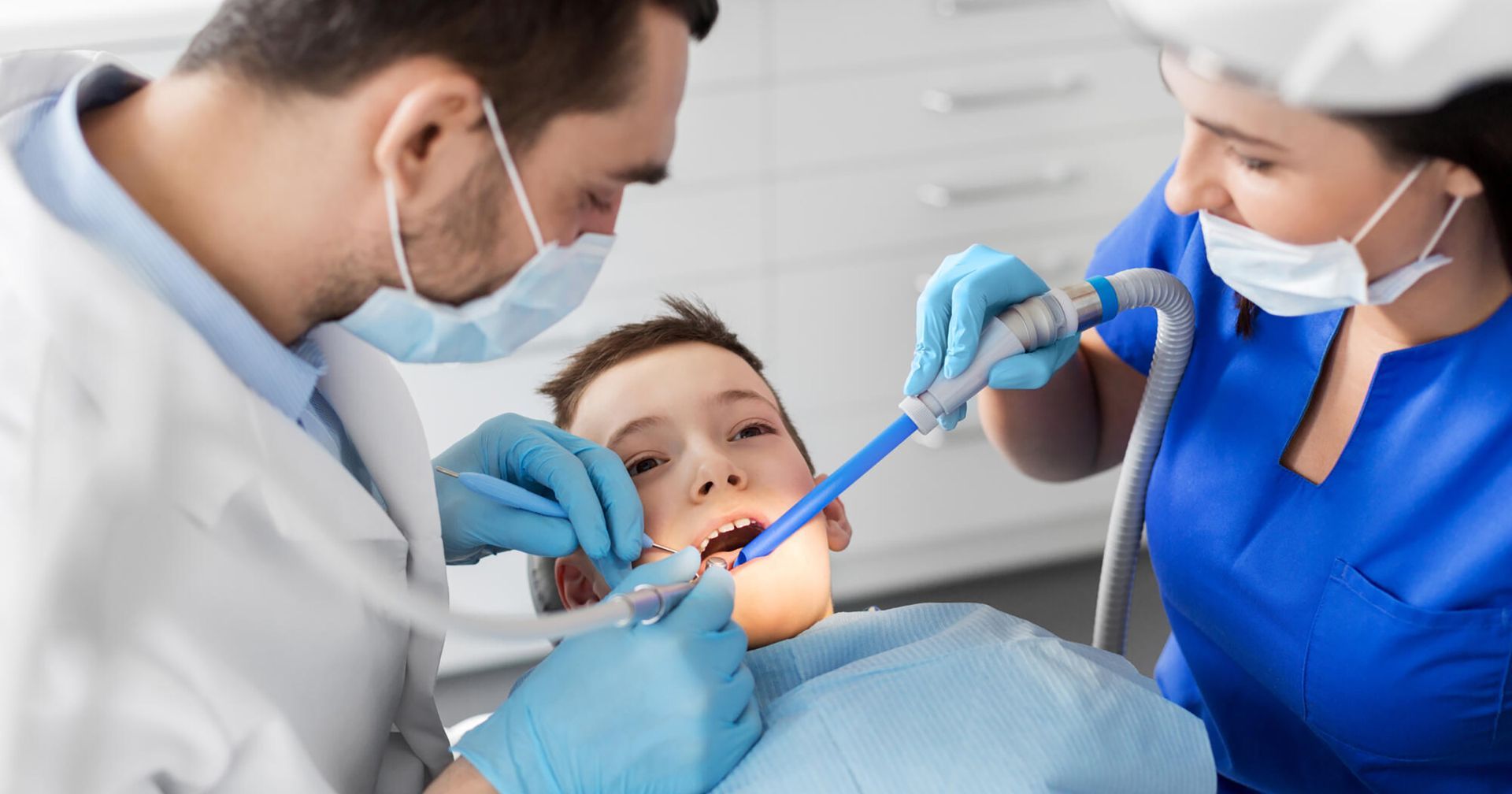
Finding the right dentist for a toddler often starts with choosing a provider who has experience treating young children. Many parents look for a pediatric dentist, since these specialists receive additional training focused on children's dental development, behavior, and comfort during visits.
A few factors can help guide the search. Parents often consider whether the dental office:
- Creates a child-friendly environment
- Uses gentle communication
- Offers preventive care tailored to toddlers
A good pediatric practice typically explains brushing techniques, reviews diet habits, and helps children feel relaxed during exams.
Practical steps can also make the process easier. Parents may:
- Ask their child's pediatrician for recommendations
- Read verified patient reviews
- Check credentials and licensing
- Schedule an initial consultation to see how the dentist interacts with young patients
When Should a Toddler First See a Dentist?
Toddlers should see a dentist soon after their first tooth appears or before their very first birthday, whichever comes first. Early visits allow a dentist to examine developing teeth, check for early signs of tooth decay, and guide parents on proper brushing and feeding habits.
This first appointment is usually simple and focused on prevention. The dentist may look at how the teeth are erupting, review cleaning techniques, discuss diet choices that protect enamel, and answer questions about pacifiers, thumb sucking, or teething.
Starting dental visits early also helps toddlers become comfortable with the dental environment. Regular checkups during the early years support healthy tooth development and make it easier to catch potential problems before they become more serious.
Why Are Back Teeth More Prone to Cavities in Toddlers?
Back teeth are often more prone to cavities in toddlers because their surfaces contain deeper grooves and pits that can trap food particles and bacteria. These molars also sit farther back in the mouth, which makes them harder for parents and children to clean thoroughly during brushing.
Toddlers are still developing coordination and brushing skills, so plaque can easily remain on the chewing surfaces of these teeth. Molars also erupt later than front teeth, meaning they may not receive consistent brushing right away if parents are not aware they have appeared.
Because these teeth do most of the chewing, they come into frequent contact with food throughout the day. When sugary or starchy foods remain in the grooves of molars, bacteria can produce acids that gradually weaken enamel and lead to cavities.
Can Cavities Affect a Toddler's Overall Health?
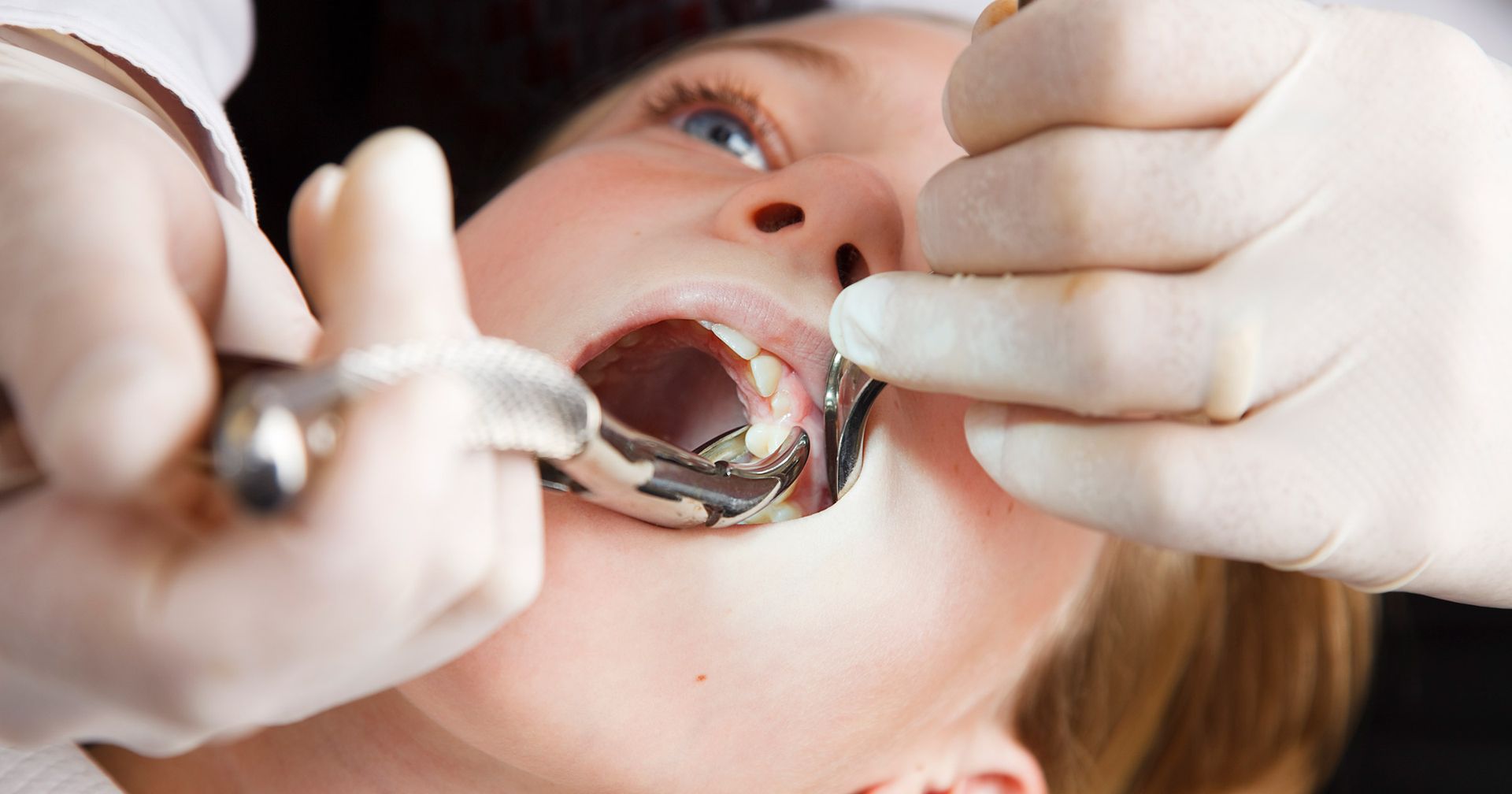
Yes. Cavities can affect more than just a toddler's oral health. Untreated tooth decay may lead to pain, infection, and difficulty eating, which can interfere with proper nutrition and healthy growth.
Dental discomfort can also make toddlers reluctant to chew certain foods, especially crunchy fruits, vegetables, or protein-rich meals that require more effort to bite. Over time, this can limit dietary variety and reduce the nutrients children need for development.
Severe cavities may lead to infections that spread to surrounding tissues, requiring more complex dental treatment. Your dentist can help you make things easier.
What Causes Cavities? Now You Know
What causes cavities in toddlers? There are a lot of different factors.
Protecting baby teeth early can help prevent small cavities from turning into bigger dental problems. If you have noticed white spots, sensitivity, or early signs of decay on your child's teeth, a pediatric dental visit can make a meaningful difference.
At Dental Studio 4 Kids in Lutz, Florida, Dr. Denisse Lasanta and her team focus exclusively on children's dental care from infancy through the teen years.
As a board-certified pediatric dentist and mother of two, Dr. Lasanta understands how important gentle, positive dental experiences are for young patients. The practice offers preventive care, early cavity treatment, laser dentistry, and sedation options designed to keep children comfortable during visits.