What to Do When Your Toddler Falls and Hits Their Front Teeth
Toddlers can sometimes cause dental trauma by falling and hitting their front teeth. Learn why it's important to consult a pediatric dentist in these cases.
When a toddler falls and hits their front teeth, we recommend staying calm, checking for bleeding or loose teeth, gently cleaning the area, and applying a cold compress. Then, contact a pediatric dentist immediately. Acting quickly after dental trauma can prevent complications and support proper healing.
What would you do if your toddler suddenly tripped, fell, and hit their front teeth on the floor?
It is a situation that can catch any parent off guard. The sight of blood, swelling, or a chipped tooth can feel alarming, especially when your child is in pain. Dental injuries are a common part of early childhood, but knowing how to respond can make all the difference.
Understanding the basics of dental trauma helps parents act quickly and confidently. With the right steps and support, you can protect your child's smile and avoid long-term complications.
How Do Dentists Diagnose Dental Trauma?
When a child experiences dental trauma, proper diagnosis is the first step toward effective care. We begin by carefully examining the mouth, teeth, and surrounding tissues. This allows us to identify visible damage such as chips, cracks, or displaced teeth.
In many cases, we also use digital imaging to look beneath the surface. X-rays help us detect hidden problems, such as damage to the tooth root or developing permanent teeth. This is especially important in young children whose adult teeth are still forming.
We also evaluate symptoms like pain, sensitivity, or bleeding. These signs provide important clues about the severity of the injury. Some dental injuries may seem minor at first, but can worsen without proper attention.
Early diagnosis is essential in managing children's dental emergencies. By identifying the issue quickly, we can recommend the most effective treatment and reduce the risk of complications, ensuring better dental health.
How Is Dental Trauma Treated?
Treatment for dental trauma depends on the type and severity of the injury. In some cases, the solution may be simple, such as smoothing a chipped tooth or monitoring it over time. In more serious cases, additional care may be needed.
For example, if a tooth is loose, we may stabilize it to allow proper healing. If a tooth is displaced, we may gently reposition it. When there is damage to the inner part of the tooth, more advanced dental injury solutions may be required.
Pain management is also an important part of treatment. We focus on keeping your child comfortable throughout the process. Our goal is to restore both function and appearance while supporting long-term oral health.
As part of our approach to pediatric dental care, we tailor every treatment to the child's age, development, and comfort level. Things like Solea laser dentistry ensure a positive experience while addressing the injury effectively.
What Is Solea Dentistry and How Does It Help?
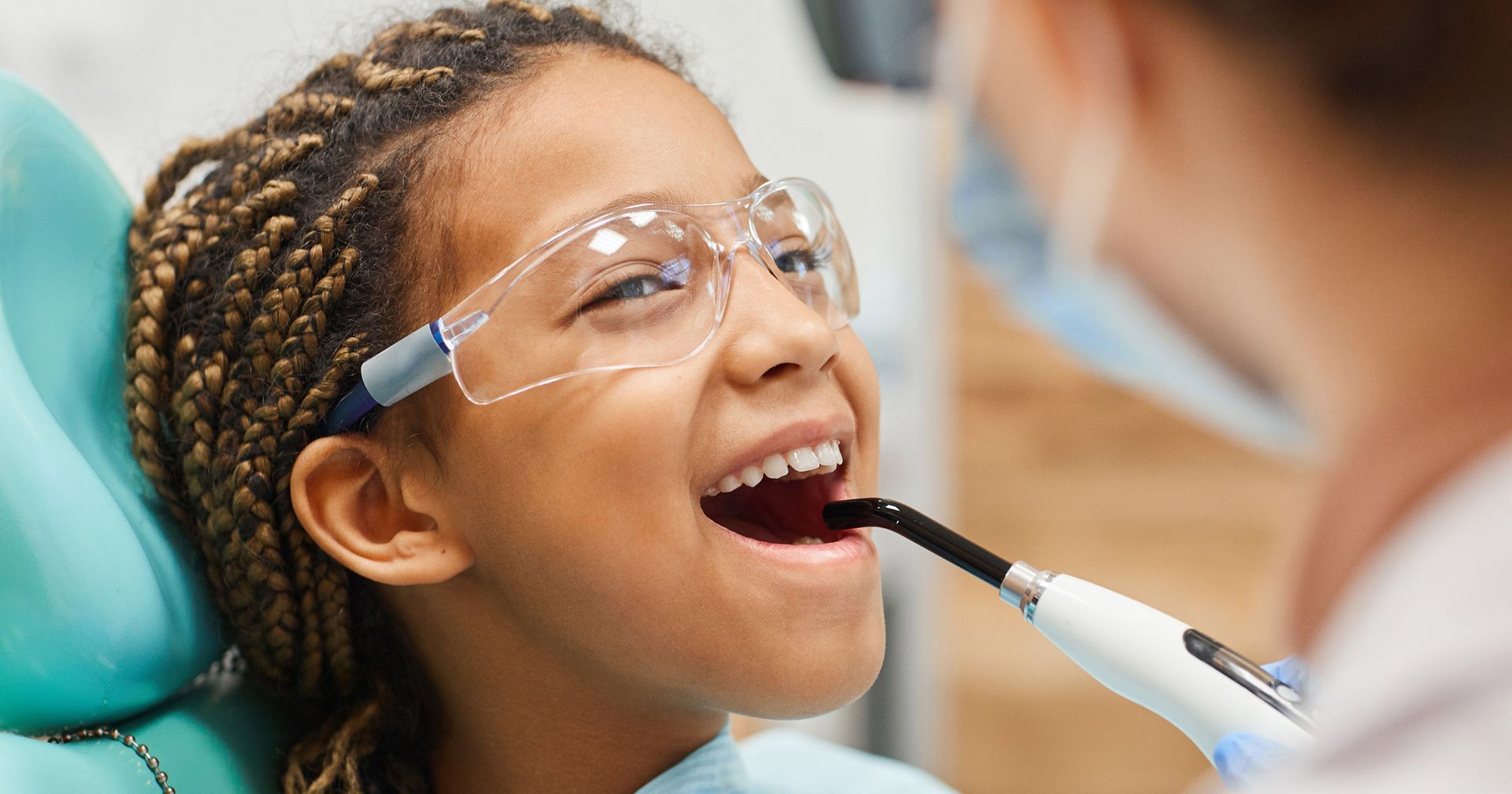
Solea dentistry is an advanced laser technology that allows us to treat many dental conditions without drills or needles. This approach is especially helpful for young children who may feel anxious during dental visits.
With Solea, we can perform procedures with minimal discomfort, reduced noise, and little to no anesthesia in many cases. For toddlers who have experienced dental trauma, this gentle method can make treatment faster and more comfortable. It also supports quicker healing, which is important after injuries.
As part of our commitment to modern pediatric dental care, we use Solea to create a calm and positive experience for every child.
What to Do If You Have Dental Trauma?
When your toddler experiences dental trauma, your response in the first few minutes matters.
First, stay calm and reassure your child. Your reaction can influence how they feel about the situation. Next, check for bleeding. If there is bleeding, gently apply pressure with a clean cloth or gauze.
Then, examine the teeth and mouth. Look for chips, cracks, or teeth that appear out of place. If a tooth is loose, avoid touching or moving it.
Clean the area with water to remove dirt or debris. After that, apply a cold compress to reduce swelling and discomfort. This can help manage pain and limit inflammation.
Finally, contact a pediatric dentist as soon as possible. Prompt care is key in handling children's dental emergencies and preventing further damage.
Common Types of Dental Trauma in Toddlers
Toddlers are naturally active, which makes them more prone to falls. As a result, certain types of dental injuries are more common in this age group.
Chipped or fractured teeth are among the most frequent injuries. These can range from minor enamel damage to deeper fractures that affect the inner tooth.
Another common issue is tooth displacement. This occurs when a tooth is pushed out of its normal position. In some cases, a tooth may be forced inward or outward.
Tooth avulsion, or complete tooth loss, is less common but more serious. While baby teeth are not always reinserted, immediate dental care is still necessary.
Understanding these injuries helps parents respond appropriately and supports protecting a child's teeth after an accident.
When Should You Seek Emergency Dental Services?
Not every dental injury requires urgent care, but some situations do. Knowing when to act can make a significant difference.
You should seek emergency pediatric dentistry if your child has severe pain, excessive bleeding, or a tooth that is loose or displaced. Swelling in the face or gums is another sign that immediate attention is needed.
If a tooth changes color after an injury, it may indicate internal damage. This should also be evaluated by a dentist as soon as possible.
Even if the injury seems minor, it is always safer to consult a professional. Early intervention is a key part of effective pediatric dental care and can prevent more serious problems later.
Preventing Future Dental Injuries
While accidents cannot always be avoided, there are steps you can take to reduce the risk of dental trauma.
Childproofing your home is a great place to start. Use safety gates, secure furniture, and remove hazards that could lead to falls. Encourage safe play and supervise activities, especially in environments where slips are more likely.
As your child grows, consider protective gear for sports or active play. Mouthguards can help reduce the risk of injury during physical activities.
Regular dental visits also play a role in prevention. During these visits, we provide guidance on protecting a child's teeth and maintaining strong oral health.
Why Pediatric Dental Care Matters After an Injury
After a dental injury, ongoing care is just as important as immediate treatment. Follow-up visits allow us to monitor healing and ensure there are no long-term issues.
In young children, dental trauma can affect the development of permanent teeth. This makes professional oversight essential. We track changes over time and address concerns as they arise.
Our approach to pediatric dental care focuses on both treatment and prevention. We work closely with families to create a plan that supports lasting oral health, whether you opt for pediatric laser dentistry or another process.
Frequently Asked Questions
When a toddler experiences a dental injury, parents often have many questions. Below, we address some of the most common concerns related to dental trauma and how to manage it effectively.
What Should I Do If My Child's Tooth Is Chipped?
If your child chips a tooth, rinse their mouth with water and check for sharp edges. Even small chips should be evaluated. A dentist can smooth the tooth or recommend treatment if needed.
Is It Serious If a Baby Tooth Becomes Loose After a Fall?
A loose baby tooth may not always be an emergency, but it should be examined. Movement can indicate damage to the supporting structures. Early care helps prevent complications.
Can a Baby Tooth Turn Dark After an Injury?
Yes, a tooth may darken due to internal bleeding or damage. This does not always mean the tooth is lost, but it requires evaluation. Monitoring is part of proper dental injury solutions.
Should I Go to the Emergency Room or a Dentist?
For most dental injuries, choosing a pediatric dentist is the best choice. They specialize in children's dental emergencies and can provide targeted care. If there are signs of head injury or severe trauma, seek medical care first.
How Can I Comfort My Child After a Dental Injury?
Stay calm and offer reassurance. Use a cold compress to reduce swelling and provide soft foods until the area heals. Comfort is an important part of recovery.
How Soon Should I Schedule a Dental Visit?
You should contact a dentist as soon as possible after an injury. Quick action allows for timely treatment and supports better outcomes through emergency dental services.
Schedule a Consultation at Dental Studio 4 Kids Today
Responding quickly to a fall that results in dental trauma can protect your child's smile and prevent long-term issues. From recognizing the signs to seeking professional care, every step matters.
At Dental Studio 4 Kids, we focus on gentle, personalized care designed specifically for children. We understand how stressful these moments can be, and we are here to guide you with compassion and expertise.
If your child experiences a dental injury, schedule a consultation with us right away.
Let us provide the trusted support and specialized care that your child deserves.