What to Expect at a Pediatric Dental Checkup in Lutz, FL
Curious about pediatric dental checkups in Lutz, FL? Explore step-by-step insights and prepare your child for a dental visit that promotes smiles and health.
A pediatric dental checkup in Lutz, FL, helps protect your child's smile while making dental visits feel calm and familiar. Regular visits allow the dentist to spot small concerns early, clean teeth properly, and guide healthy habits that support long-term oral health.
Half of children ages six to nine have already experienced cavities in their baby or permanent teeth, according to the CDC. Many dental problems begin quietly; a simple checkup can catch small concerns before they become painful or expensive.
A child's first dental visit can feel stressful for parents, especially when the process feels unfamiliar. Knowing what happens during a pediatric dental checkup can ease worry and help your child feel more comfortable walking into the office. Gentle exams, kid-friendly conversations, and preventive care all play a role in keeping smiles healthy.
How Often Should Children Visit the Dentist?
Most children should visit the dentist every six months for a routine checkup and cleaning. Regular visits help monitor tooth growth, remove plaque buildup, and catch small issues before they become bigger concerns.
A pediatric dentist Lutz families trust can also track habits like thumb sucking, teeth grinding, and brushing routines. Early guidance supports stronger oral habits and helps children feel more relaxed during future appointments.
What Happens During a Pediatric Dental Cleaning?
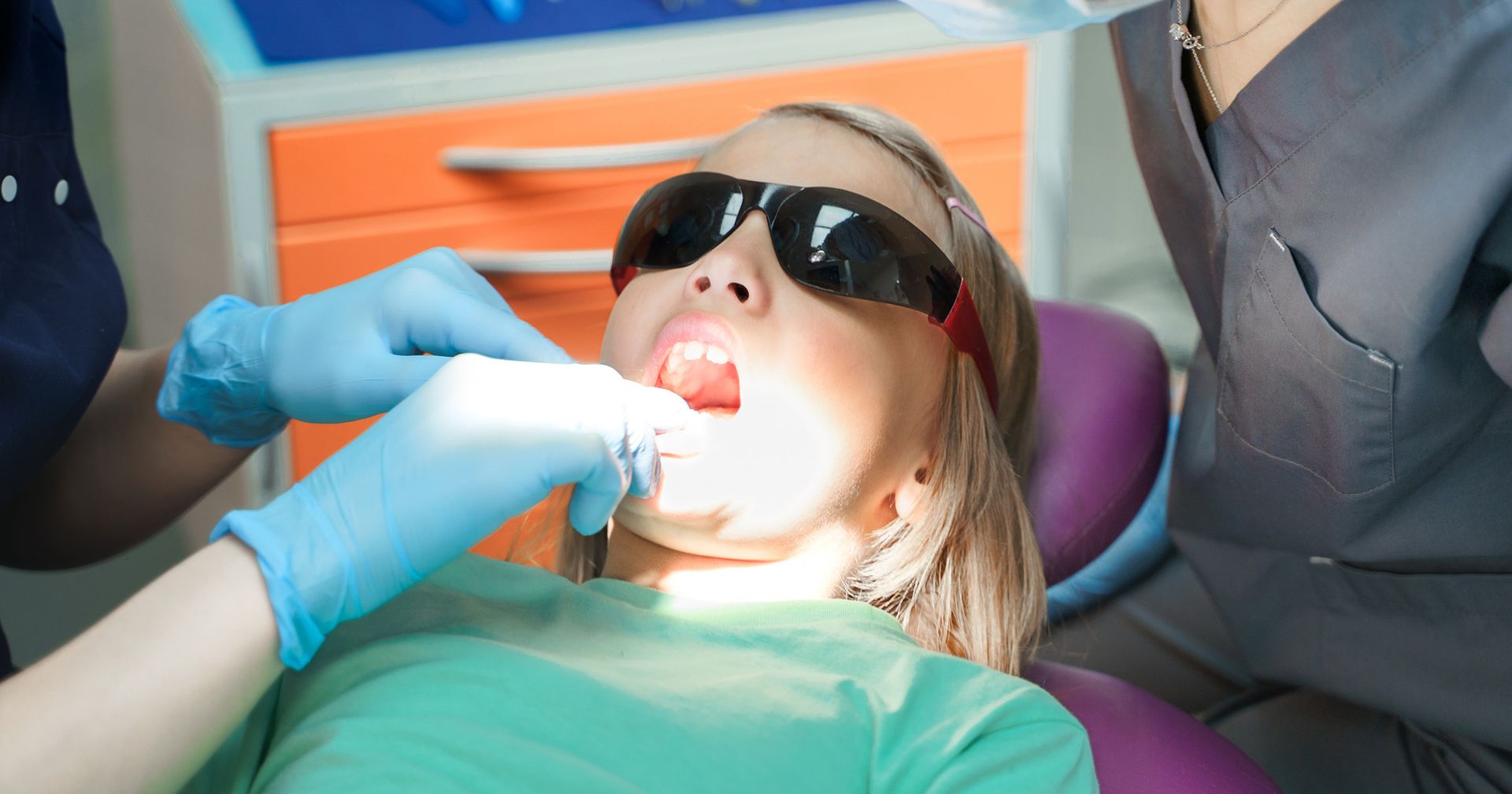
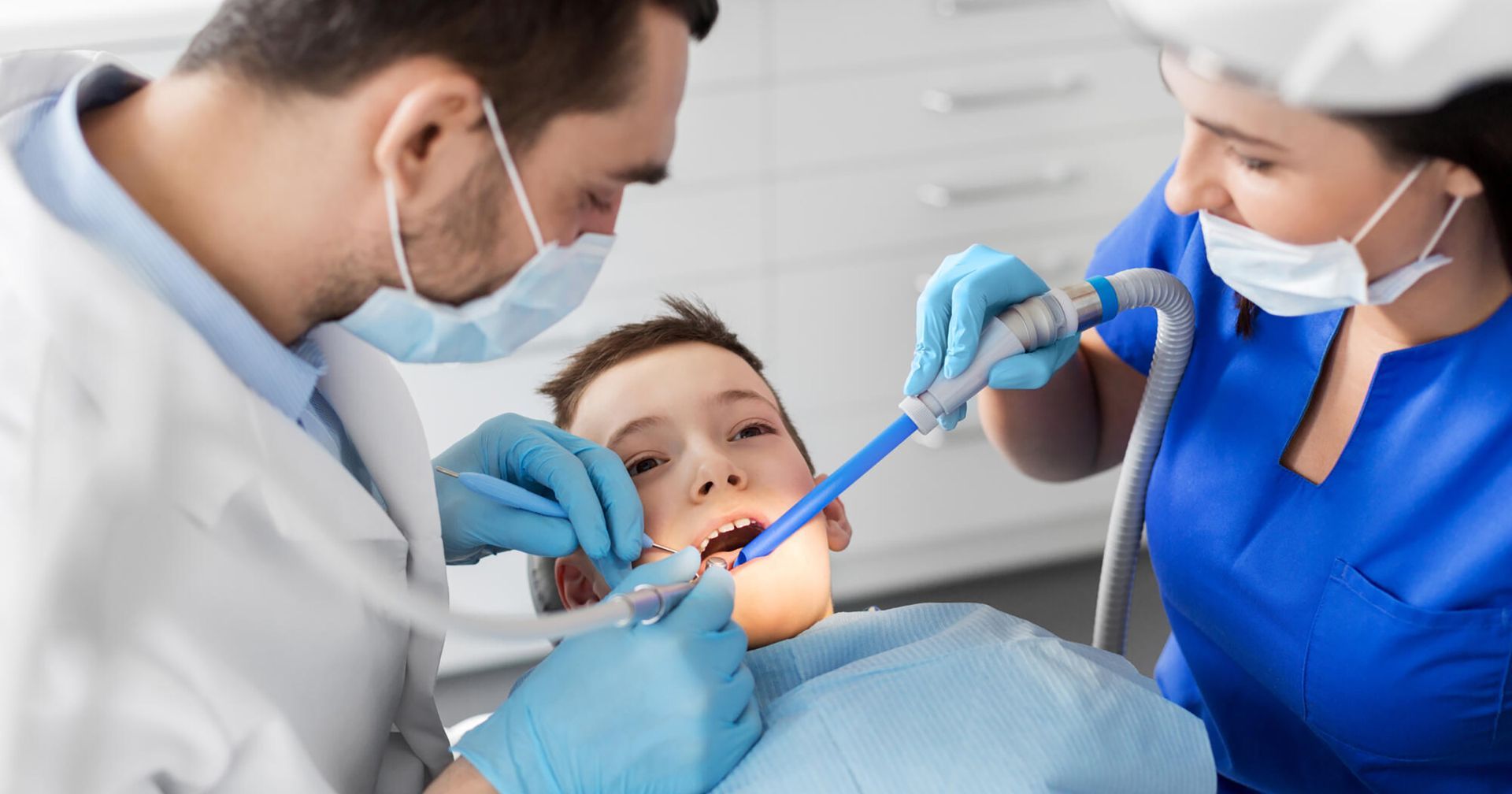
A pediatric dental cleaning usually starts with a gentle exam of the teeth and gums. Dental staff may also take X-rays if needed to check for hidden cavities or monitor developing teeth.
After the exam, the cleaning removes plaque and tartar that brushing at home may miss. Many offices finish the visit with fluoride treatment and simple tips that support better children's dental health between appointments.
What Happens During the First Dental Exam?
A child's first dental exam is designed to feel:
- Gentle
- Calm
- Easy to understand
The visit often begins with a quick look at the teeth, gums, bite, and jaw development. Pediatric dentists also check for plaque buildup, early cavities, and habits like thumb sucking that may affect oral growth later on.
Many children feel nervous before sitting in the dental chair. Friendly conversations, simple explanations, and a slower pace can help reduce fear during Lutz dental visits. A positive first appointment often builds comfort that lasts for years.
Several parts of the appointment may happen during the exam:
- Teeth cleaning
- Gum inspection
- Bite evaluation
- Fluoride treatment
- X-ray review
Dental staff may count teeth aloud or explain tools in playful ways to help children stay relaxed. Parents are also advised on brushing methods, flossing habits, and healthy food choices that support stronger smiles at home.
Some visits are shorter for younger children who are still adjusting to the dental environment. Over time, regular checkups help children become more familiar with the process while supporting healthy growth, cleaner teeth, and better long-term children's dental health.
How Dental Cleanings Help Prevent Cavities
Dental cleanings do much more than polish teeth and freshen breath. Professional cleanings remove plaque and tartar that brushing at home cannot always reach, especially around the gumline and between teeth. Regular visits also help dentists catch small problems before they become painful or expensive to treat.
Children often enjoy the smooth feeling their teeth have after a cleaning. Many pediatric offices use gentle techniques and kid-friendly language to help appointments feel less stressful. Small preventive visits today can help children avoid major dental problems later.
A cleaning appointment may include:
- Plaque removal
- Tooth polishing
- Flossing support
- Fluoride application
- Oral screening
Dentists may also discuss brushing habits, sugar intake, and bedtime routines that affect oral health. Families looking for Lutz child dental care often benefit from consistent visits that help children stay comfortable with routine treatment.
Fluoride treatments are commonly added at the end of the appointment to strengthen enamel and reduce cavity risk. Over time, steady preventive care supports healthier smiles, stronger teeth, and more confidence during future dental visits.
Why X-Rays Are Sometimes Needed for Children
Dental X-rays allow pediatric dentists to see areas that cannot be viewed during a normal exam. Hidden cavities, developing adult teeth, jaw growth, and spacing concerns are often easier to detect with imaging. Early detection helps prevent small problems from becoming larger issues later.
Many parents worry when they hear the word X-ray, but modern dental imaging uses very low radiation levels. Protective coverings and quick digital scans also help make the process safer and faster for children. Clear images often help dentists make smarter and more accurate treatment decisions.
A dentist may recommend X-rays to check for:
- Hidden cavities
- Tooth alignment
- Bone development
- Adult teeth
- Injury concerns
Children usually only need X-rays when the dentist believes extra information is necessary. Frequency depends on age, oral health history, and cavity risk.
A pediatric dentist Lutz families trust will explain why imaging is being recommended before moving forward. Honest communication and gentle care often help children feel calmer during the process while supporting stronger long-term oral health and safer treatment planning.
How Parents Can Prepare Children Before the Visit
Preparing a child before a dental appointment can make the experience smoother for everyone involved. Simple conversations at home often help reduce fear and create a better understanding of what will happen during the visit. Children usually respond well when parents keep the explanation:
- Calm
- Positive
- Easy to follow
Some families find it helpful to practice a pretend dental visit at home. Counting teeth together or letting a child hold a toothbrush during the discussion can make the appointment feel more familiar. Confidence often starts long before a child enters the dental office.
Helpful ways to prepare include:
- Read dental books
- Schedule morning visits
- Stay calm yourself
- Avoid scary words
- Bring comfort items
Parents should also avoid telling children stories about painful dental experiences. Positive language creates a more relaxed mindset before the appointment begins.
Many offices that focus on dental care for kids use child-friendly communication, smaller tools, and welcoming spaces to help children feel safe. Over time, regular appointments become part of a healthy routine instead of something children fear or avoid.
What Dentists Teach Children During Checkups
Pediatric dental visits are not only focused on cleaning teeth and checking for cavities. Dentists also spend time teaching children simple habits that support stronger oral health at home. Lessons are often adjusted to fit the child's age so the information feels easier to understand and remember.
Younger children may learn proper brushing angles, while older children may receive advice on flossing or limiting sugary snacks. Some dentists also explain how drinks, sports habits, or nighttime routines affect teeth over time.
Important topics often include:
- Brushing techniques
- Daily flossing
- Healthy snacks
- Water intake
- Mouthguard use
Good habits learned early often stay with children for life.
Many conversations are short and interactive, so children stay engaged throughout the appointment. Dental teams may use mirrors, models, or simple demonstrations to make learning feel more fun instead of overwhelming.
Regular guidance during children's dental health appointments can help parents reinforce healthy routines at home. Small lessons repeated during each visit often create stronger habits, healthier smiles, and greater confidence in personal oral care as children grow older.
Frequently Asked Questions
At What Age Should a Child First Visit the Dentist?
Most dentists recommend a first visit by age one or within six months of the first tooth appearing. Early visits help children become comfortable with dental care and allow parents to ask questions.
Are Pediatric Dentists Different From Regular Dentists?
Yes. Pediatric dentists receive additional training focused on children's:
- Teeth
- Growth
- Behavior
Many offices also create a more child-friendly environment to help reduce fear.
Do Dental Checkups Hurt for Children?
Routine checkups are usually gentle and painless. Most visits involve cleaning teeth, checking the gums, and looking for cavities or bite concerns.
Why Are Fluoride Treatments Recommended?
Fluoride helps strengthen enamel and lower cavity risk. Treatments are quick and commonly added after cleanings to help protect growing teeth.
How Long Does a Pediatric Dental Appointment Usually Take?
Most appointments last between 30 minutes and one hour. First visits may take slightly longer so children can adjust comfortably to the office environment.
What Should Children Do Before a Dental Appointment?
Children should brush their teeth before arriving and avoid heavy sugary snacks beforehand. Parents can also help by speaking positively about the visit and keeping the experience calm and relaxed.
Building Healthy Habits With a Pediatric Dental Checkup
A regular pediatric dental checkup helps children build healthy routines while protecting their teeth as they grow. Gentle exams, cleanings, and early guidance can make dental visits feel less stressful and more familiar over time.
Children deserve a dental experience filled with comfort, compassion, and genuine care; that is exactly what families discover at Dental Studio 4 Kids. From pain-free laser dentistry and infant care support to gentle guidance for children with special needs, Dr. Denisse Lasanta and her team create an environment where young patients feel safe, understood, and excited to return.
Every room is thoughtfully designed to calm anxious children, while bilingual care and advanced technology help families feel supported from the very first visit. Board-certified pediatric dentist Dr. Denisse Lasanta also provides education-focused care that helps children build healthier smiles for the future.